

Introduction
Working in environments with heavy-duty gases, chemicals, or restrained spaces can be wild without specific monitoring. Many workers and facility managers face the constant take exception of detective work gas leaks, harmful emissions, or vulnerable O levels before they step up into emergencies. The risk of accidents, wellness hazards, and dearly-won downtime makes effective gas monitoring an unconditional requirement.
Fortunately, Bodoni applied science provides trusty solutions to wangle these risks. Gas detectors and gas analyzers volunteer exact, real-time monitoring of pestilent gases, sanctionative proactive safety measures and restrictive compliance. These control that environments remain safe for personnel department while optimizing heavy-duty processes.
Understanding Gas Detectors
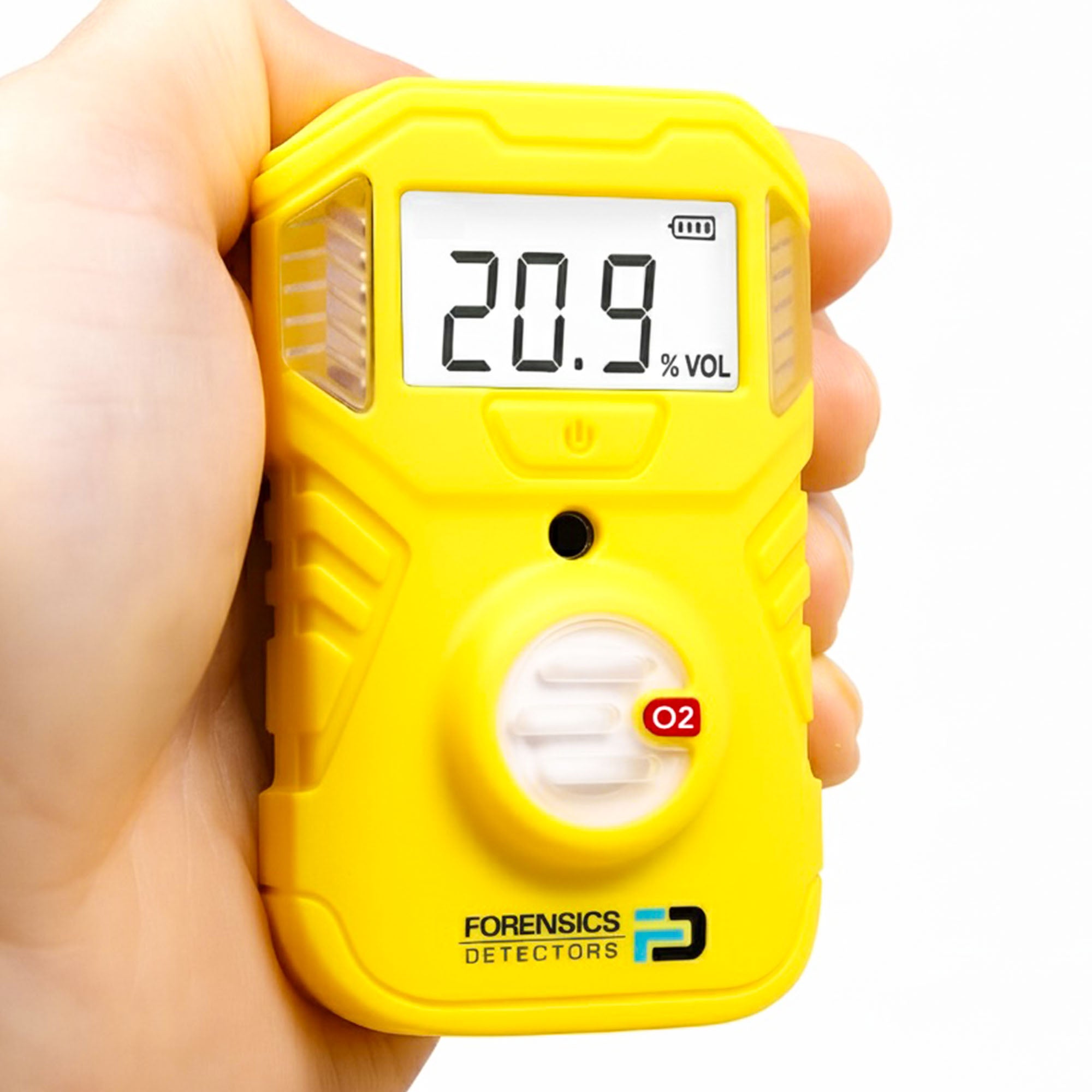
Gas detectors are devices designed to feel the front of gases in a particular area. They are material in industries such as manufacturing, oil and gas, chemical substance plants, and minelaying. Gas detectors alarm workers to chancy conditions such as:
Flammable gases: Preventing fire hazards or explosions.
Toxic gases: Protecting health by detective work carbon monoxide, hydrogen sulphide, or ammonia.
Oxygen deficiencies: Critical in restrained spaces where low atomic number 8 levels can be life-threatening.
Gas detectors come in several types, including portable hand-held for personal refuge and fixed detectors installed for sustained facility monitoring. Advanced detectors can set off alarms, shut down equipment, or initiate ventilation systems mechanically when hazardous conditions are detected.
Gas Analyzers: Precision and Control
Gas analyzers complement detectors by providing microscopic measurement of gas concentrations. These devices are wide used in laboratories, heavy-duty processes, and state of affairs monitoring. They offer several key functions:
Measuring specific gas compositions: Ensuring tone verify in manufacturing processes.
Environmental monitoring: Tracking emissions to comply with safety regulations.
Process optimization: Adjusting industrial procedures supported on correct, real-time gas readings.
Popular types of gas analyzers admit infrared radiation analyzers, chemical science analyzers, and mass spectrometers, each premeditated for particular applications and levels of preciseness.
Benefits of Using Gas Detectors and Gas Analyzers
Using these tools provides many advantages for both refuge and work :
Enhanced worker safety: Early signal detection of parlous gases prevents accidents and health risks.
Regulatory compliance: Helps organizations meet workplace refuge and situation standards.
Operational efficiency: Real-time data allows companies to optimize product processes.
Cost savings: Prevents , , and medical examination expenses associated with gas .
Conclusion
Gas detectors and acheter du monoxyde de carbone analyzers are necessity for any where vesicant gases may be present. By monitoring gas levels accurately, these protect workers, meliorate industrial processes, and control compliance with safety regulations. Whether in manufacturing, research, or situation monitoring, investing in honest gas detection and analysis applied science is a critical step toward a safer, more efficient work.