

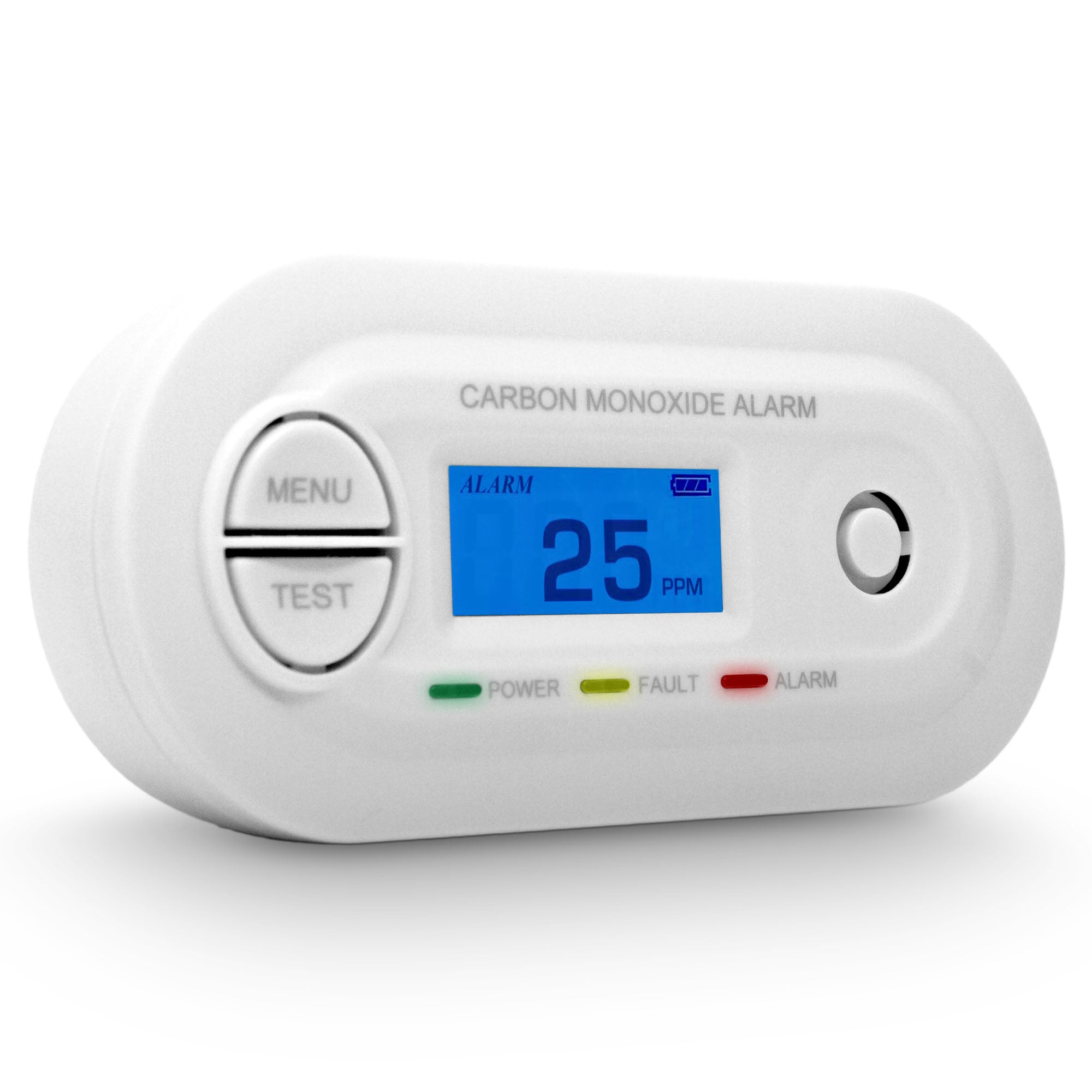
Gas detectors and gas analyzers are material tools in industries, laboratories, and human activity settings to assure refuge and state of affairs submission. They play a vital role in sleuthing dangerous gases, preventing accidents, and protecting human being health. Understanding the differences, applications, and technologies behind these is essential for anyone workings in environments where gas exposure is a risk.
Understanding Gas Detectors
Gas detectors are devices studied to sense the presence of particular gases in the air and alarm users to potential hazards. They are widely used in industrial facilities, chemical substance plants, minelaying trading operations, and restrained spaces. The primary purpose of a gas sensing element is to keep accidents such as explosions, poisoning, or long-term health caused by cyanogenic or inflammable gases.
Types of Gas Detectors
Gas detectors come in various types depending on the engineering science and the gas they are designed to observe:
Electrochemical detectors: Used primarily for detecting hepatotoxic gases like carbon paper monoxide or hydrogen sulfide. These detectors render a stream when the direct gas interacts with an chemistry detector.
Infrared detectors: These are commonly used for combustible material gases like methane and propane. They measure soaking up of infrared light get off by gas molecules.
Catalytic bead detectors: Effective for inflammable gases, these sensors discover gases by oxidizing them on a chemical action surface, producing heat that changes underground in the sensing element.
Photoionization detectors(PID): Used for volatile organic compounds(VOCs), PIDs use ultraviolet light dismount to ionize gases and quantify the subsequent current.
Gas detectors can be outboard for subjective safety or unmoving installations for persisting monitoring in industrial sites.
Gas Analyzers: Precision Monitoring
Gas analyzers differ from detectors in that they are designed to quantify the concentration of gases rather than plainly alerting users to their presence. These instruments are often used in laboratories, environmental monitoring, and process verify in industrial facilities. Gas analyzers ply dead data, which is requisite for regulative compliance, process optimisation, and research purposes.
Common Types of nist co2 Analyzers
Non-dispersive infrared(NDIR) analyzers: These measure gases like CO2 and CO by sleuthing soaking up of infrared emission dismount at specific wavelengths.
Electrochemical analyzers: Similar to chemical science detectors but with more hairsplitting readings for lab and industrial applications.
Mass spectrometers: Highly accurate analyzers subject of sleuthing quadruplicate gases simultaneously with very low signal detection limits.
Gas systems: Used for careful psychoanalysis of gas mixtures, providing data for each component part.
Applications and Benefits
Gas detectors and analyzers are essential in duple sectors:
Industrial safety: Preventing explosions and exposure to virulent gases.
Environmental monitoring: Tracking emissions of corrupting gases to assure submission with state of affairs regulations.
Occupational wellness: Protecting workers in mines, chemical plants, and restrained spaces.
Research and development: Analyzing gas compositions for scientific studies and work on optimisation.
Conclusion
Gas detectors and gas analyzers are obligatory tools for maintaining refuge, monitoring environmental conditions, and ensuring restrictive submission. By providing early on warnings and accurate measurements, these devices protect lives, property, and the environment. Whether for industrial operations, laboratories, or residential refuge, sympathy their functions and applications is material for anyone workings in environments where gases are present.